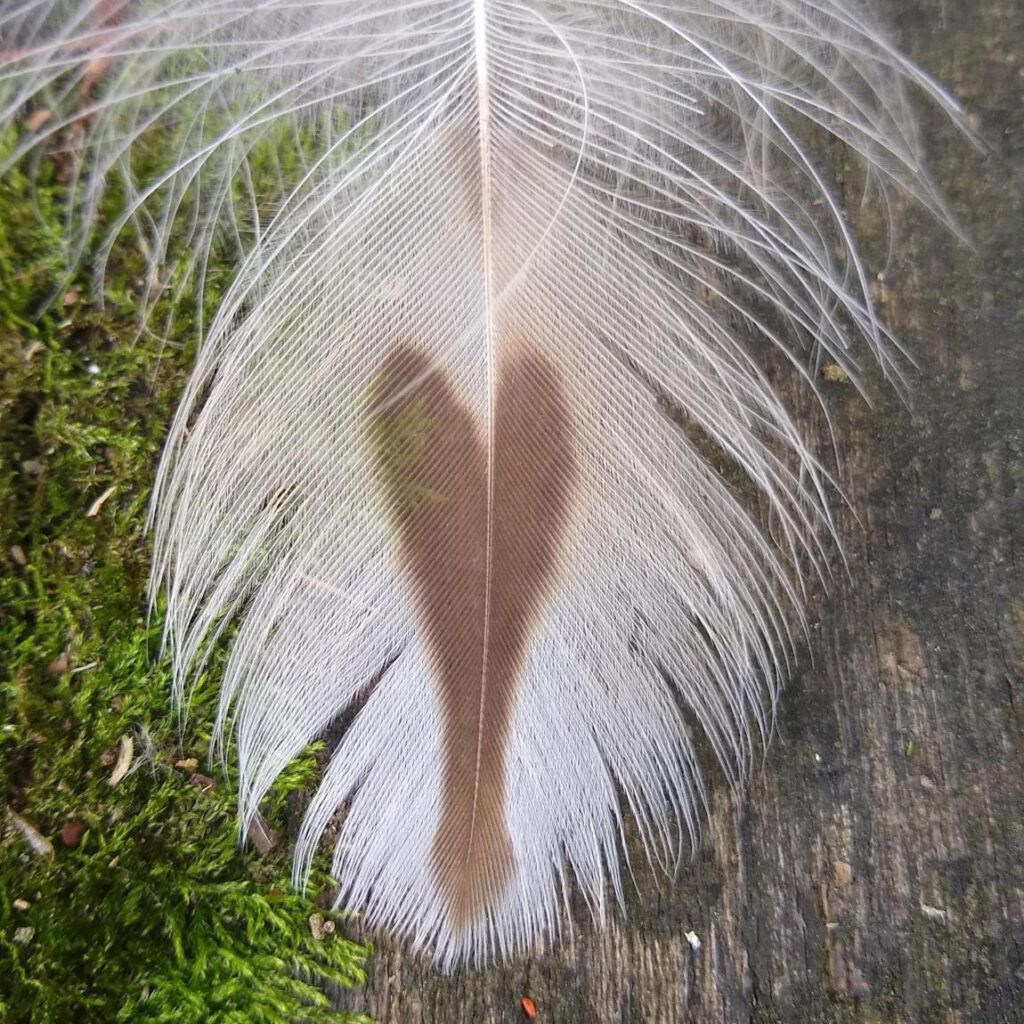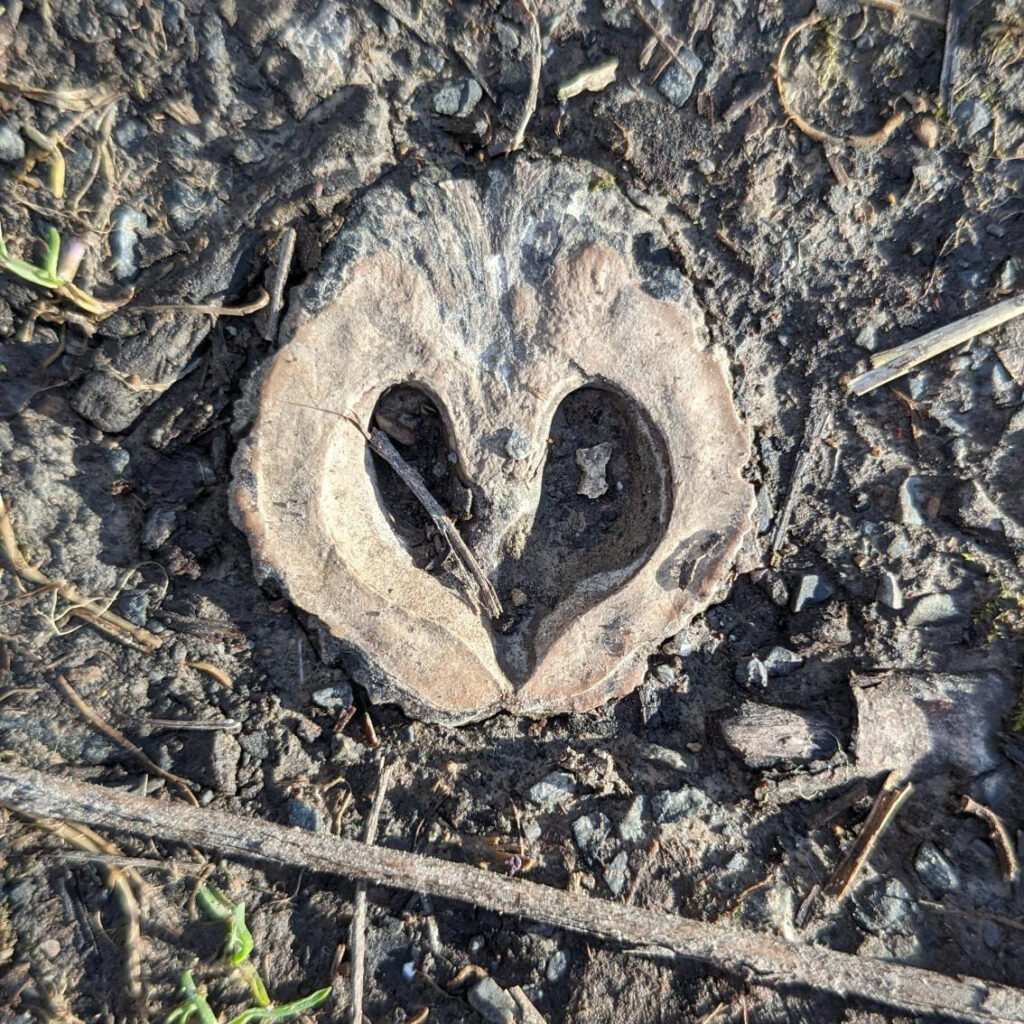

Although most of Pennsylvania is blanketed with snow this Valentine’s Day, our woodlands and waterways are heating up with romance!
Humans aren’t the only ones thinking of love during this time of year: the middle of February is also a special time for owls, eagles, ducks, and many other animals who choose their mates during the cold winter months.
You won’t have to wait until spring to hear the “love songs” of birds ringing through the forest, but you will have to wait until dusk, because in winter, the feathered singers are owls! Step outside on a frosty February evening for a chance to hear the trill of a tiny Eastern Screech Owl announcing that he has found the perfect love nest in a tree, or the back and forth hooting duet of two Great Horned Owls as they call to each other, strenghtening their bonds forged earlier in winter.
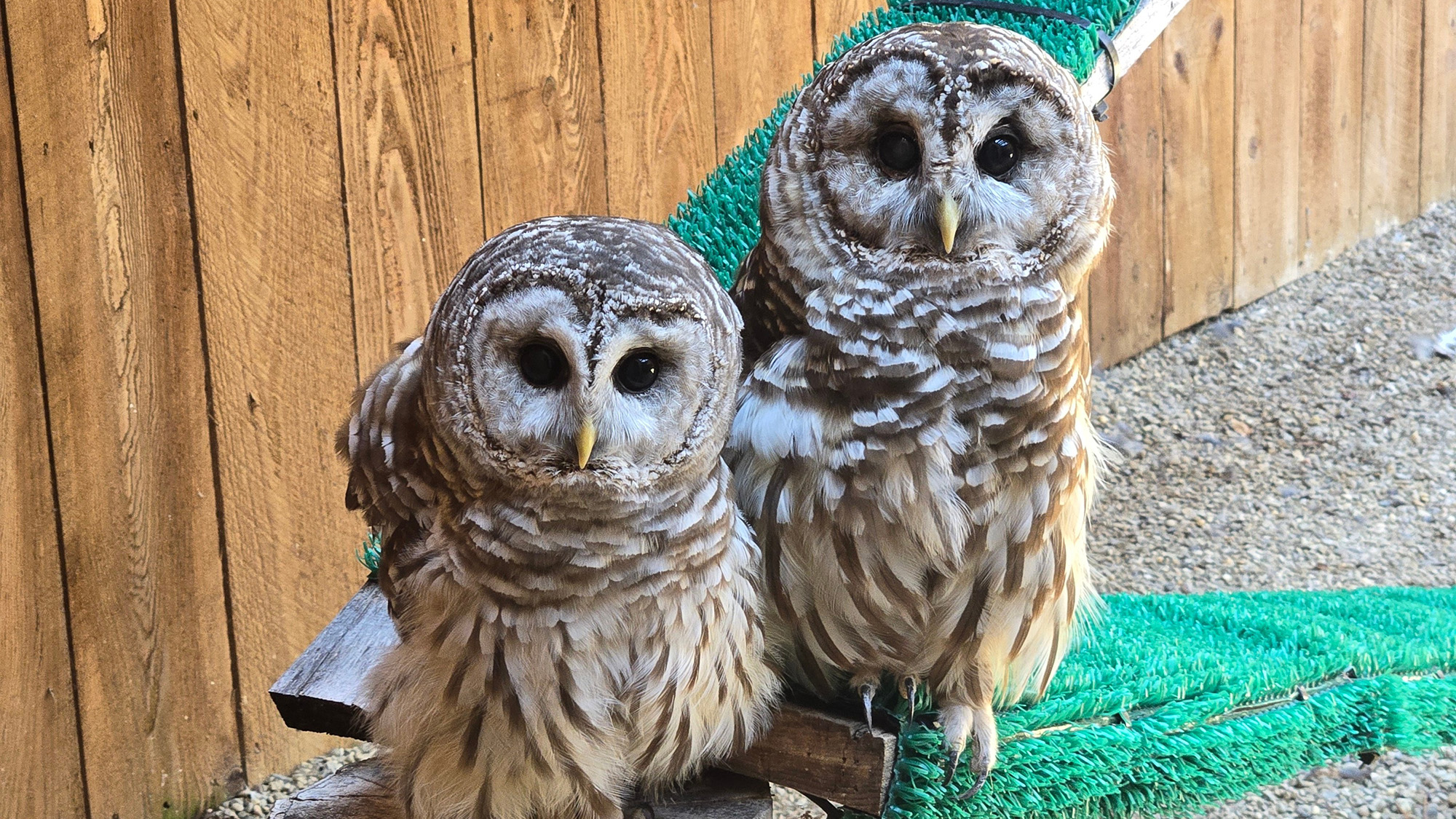
Even our resident ambassador Barred Owls, Cook and Jerudi, often feel extra “romantic” during this time of year. These sweethearts show their love by allopreening (grooming each other’s feathers) and “duetting,” hooting back and forth to each other with their loud “Who cooks for you?” calls.
Like humans, courting owls often bring gifts of food to their special “owlentine.” But instead of a heart-shaped box of chocolates, Cook offers his love an irresistible piece of rodent prey every February—the peak of owl romance!
All of this hooting and gift-giving happens in February because owls are among our earliest-nesting birds. In fact, by February 14, many local Great Horned Owls are already incubating their eggs, which may have been laid as early as the middle of January! Keeping eggs warm throughout the coldest weeks of winter isn’t easy, but nesting early has its benefits. Because most owls don’t build their own nests, an early start allows pairs to claim a nesting site (usually a hollow cavity or an abandoned treetop nest built by a crow, hawk, or squirrel) well before other animals start to compete for the valuable real estate. Early nesting also gives owl chicks a head start in life by ensuring that they are among the first babies to hatch in early spring, when mammal prey is the most abundant. Owlets that hatch earlier in the year also have more time during the spring and summer months to grow and develop the flying and hunting skills they will need to survive as adults.
In our region, Bald Eagles are also nesting and courting during February. Both members of a pair will return to the same gigantic treetop nest used during the previous year, with their shared bond to the nest reuniting them for a new breeding season. For eagles, nothing is more romantic than working on home improvement projects together. Pairs strengthen their bond each winter by adding more and more sticks to their nest—enough to expand it by two or three feet every year! And because bald eagles are long-lived, with the potential for their partnership to last for more than 20 years, their nests quickly become the largest and heaviest of any North American bird. The average Bald Eagle nest is four to six feet wide, up to eight feet deep, and can weigh more than one thousand pounds! Of course, there’s more to eagle romance than just sticks. Bald Eagles literally go into a spin over their partner during their famous “cartwheel dance!” In this display of trust and skill, eagle pairs soar high into the sky, then grab each other’s talons and whirl around each other as they freefall to earth at speeds of up to 100 miles per hour! At the last moment, the eagles release each other and pull out of their spin. This special courtship “dance” strengthens their relationship.
Love isn’t just in the air or the trees during February—it’s in the water, too! Most of our native ducks are seasonally monogamous, meaning that they find a new partner each year. Winter is the most entertaining time to watch ducks because it’s when the males, or drakes, dress up in their fanciest feathers (called nuptial plumage) to woo a mate through elaborate combinations of calls, displays, and dances you won’t see any other time of the year. When a duck hen sees a drake she likes, she lets him know by returning a dance move of her own. Paired couples will stick together and dance with each other all winter long to maintain their bond until it’s time to mate in spring.
Different species of ducks have their own special dance moves, from head-bobbing Mallards to curtsying Mergansers. To learn more about duck courtship displays and watch a video of examples, check out this article from the Cornell Lab.
Several years ago, four Hooded Mergansers chose Lake Perez behind Shaver’s Creek as the stage for their winter dance. The handsome drakes are the ones dressed in formal black and white feathers and putting on a show of head-bobbing, growling, and chasing for the brown female Mergansers. The females seemed very impressed by the performance!
Our feathered friends aren’t the only ones with romance on the brain during this time of year. Late winter is the first of two annual breeding cycles for Eastern Gray Squirrels. Similar to ducks, the female squirrel is the one to choose her mate, and she makes her decision after challenging the males to chase her through the trees. The fastest, most agile squirrel wins her affections and the right to father her first litter of kittens. February is also when other mammals like red foxes, coyotes, bobcats, and skunks start looking for love.
If you’re looking for something fun to do with your Valentine this year, I encourage you to go outside! Visit a lake or stream to watch the winter “duck ballet,” listen for owl couples hooting their love songs, and look for natural “Valentines” in the woods. Life and love abound in nature all year long!